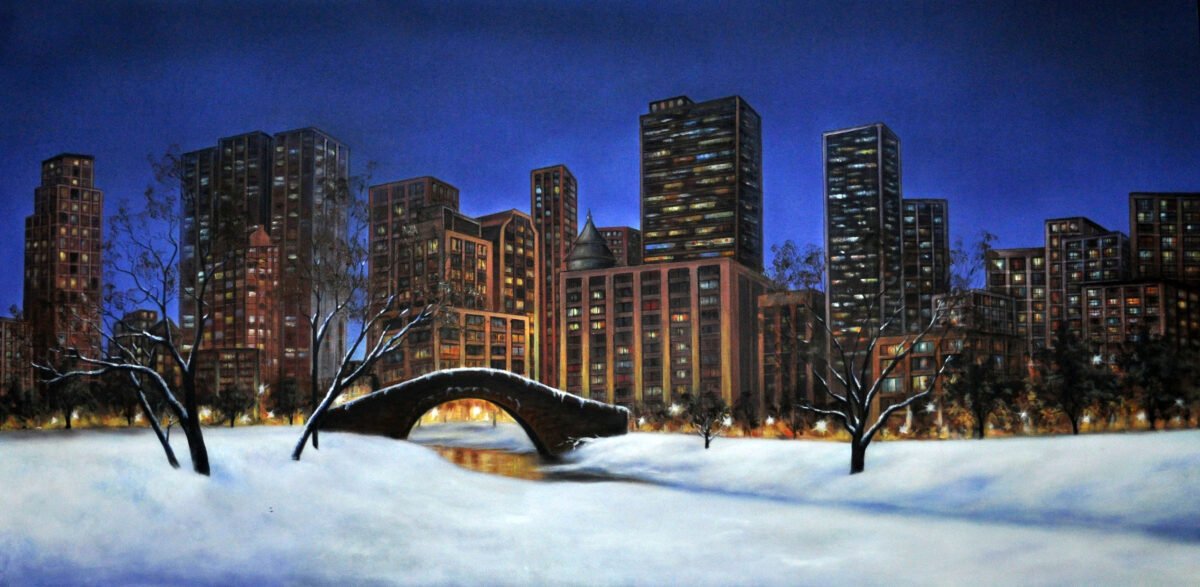

The Art of Hand-Painted Theatre Backdrops: A Behind-the-Scenes Look
May 18, 2026
Published by Agraffitti Backdrops | Category: Photography Tips | Reading Time: 7 min
Choosing the right backdrop for your photography studio is one of the most important creative decisions you will make. The wrong choice can flatten your images, clash with your subject, or create technical headaches in post-production. The right choice, on the other hand, elevates every shot — adding depth, character, and professional polish to your work.
But here is the thing: there is no single “best” backdrop. The right option depends entirely on the kind of photography you do, the subjects you shoot, the space you work in, and the clients you serve. What works beautifully for a newborn portrait session might be completely wrong for a corporate headshot — and vice versa.
In this guide, we walk you through the key factors to consider when selecting a photography backdrop — from material and texture to color and size — so you can build a backdrop collection that genuinely serves your work.
Why Your Backdrop Choice Matters More Than You Think
Most photographers spend a great deal of time thinking about their lenses, lighting setups, and camera settings. Backdrops, by comparison, are often treated as an afterthought — something you will figure out once everything else is in place.
That is a mistake.
Your backdrop is one of the first things a viewer notices in a portrait — even if they do not consciously register it. A well-chosen backdrop creates a visual relationship with your subject, drawing the eye inward and giving the image a sense of cohesion and intention. A poorly chosen one does the opposite: it competes, distracts, or simply makes the whole image look like it was not thought through.
Beyond aesthetics, your backdrop also has very real practical consequences. The wrong surface finish can create glare under studio lights. The wrong color can cast unwanted color reflections onto your subject’s skin. The wrong material can wrinkle in ways that are impossible to remove in post. These are not minor annoyances — they are production problems that cost you time and money.
Choosing well from the start saves you from all of that.
A backdrop is not just a background. It is part of the image — and it deserves as much thought as your lighting diagram.
Solid Color Backdrops: Clean, Versatile, and Always Professional
If you are just starting to build your studio backdrop collection, solid color backdrops are the single best place to begin. They are clean, consistent, and extraordinarily versatile — useful across virtually every genre of professional photography.
A solid white backdrop remains the industry standard for product photography, high-key portraiture, and any situation where you want maximum flexibility in post-production. White reflects light generously, making your images feel bright and open. It also gives you a clean base if you plan to remove or replace the background later.
Solid black, at the other end, is the go-to choice for dramatic portraiture, fine art nude photography, and any work where you want a bold, graphic quality. It absorbs light rather than reflecting it, giving your images a rich, deep look that no other backdrop can replicate quite so simply.
Between those two extremes, neutral grays, warm beiges, and soft pastels round out a professional solid-color collection. They are flattering across a wide range of skin tones and work equally well for corporate headshots, family portraits, and commercial work.
At Agraffitti, our solid color muslin studio backdrops are manufactured to maintain consistent, even tone across the entire surface — critical for professional work where color accuracy and light behavior matter.
What About Premium Solids?
Our Premium Solids range offers an enhanced surface treatment over our standard solid line — producing superior light absorption and a noticeably richer color depth that reads beautifully under both natural and studio lighting conditions. If you are shooting regularly for commercial clients or doing color-critical work, the upgrade is well worth it.
Mottled Backdrops: Adding Texture and Depth to Your Portraits
If solid color backdrops are the foundation of a studio collection, mottled backdrops are the personality.
A mottled backdrop features a subtly uneven, blended surface — a combination of tonal variation, soft texture, and hand-applied paint or dye effects that creates visual interest without demanding attention. The result is a background that adds depth and warmth to a portrait without ever stealing focus from the subject.
This is why mottled backdrops are so widely used in professional portrait photography. They bring a timeless, painterly quality to images that solid colors simply cannot replicate. Think of the richly blended backgrounds you see in classic studio portraiture — that look almost always comes from a well-made mottled backdrop.
The Different Types of Mottled Backdrops
Not all mottled backdrops are created equal, and the differences between them are more significant than they might first appear.
- Handpainted Mottles: Each backdrop is individually painted by hand, meaning no two pieces are exactly alike. The variation is intentional and gives your images a genuinely unique quality that clients notice.
- Airbrushed Mottles: Applied with a professional airbrush for a smoother, more refined finish. These work particularly well for beauty, fashion, and commercial portrait work where a cleaner aesthetic is preferred.
- Crush Dyed Mottles: Created through a specialized fabric-crushing and dyeing process that produces rich, layered tonal variation. The effect is organic and complex in a way that purely painted techniques rarely achieve.
- 3D Mottles: Engineered to create the visual impression of three-dimensional depth in two dimensions. Especially effective for close-up portrait work where background depth can really make a difference.
- Washed Mottles: A soft, organic wash finish with a natural, slightly faded character. These are particularly popular for lifestyle photography, family portraits, and any work with a relaxed, authentic feel.
When choosing a mottled backdrop, pay attention to the dominant tone — warm or cool — and consider how it will interact with your subject’s skin tone and the colors they are likely to wear in session.
Chromakey Backdrops: What You Need to Know for Digital Compositing
Chromakey backdrops — most commonly referred to as green screens, though blue screens are also widely used — operate on an entirely different principle from traditional studio backdrops. Rather than serving as a finished background in the final image, a chromakey backdrop is designed to be removed entirely in post-production and replaced with a different background or environment.
The technology behind this is chroma keying: a post-production technique that isolates a specific color range (the green or blue of the backdrop) and makes it fully transparent, allowing any background to be composited in its place. It is the same process used to create the weather maps you see on television news — and the same technique behind countless Hollywood visual effects sequences.
When Do You Actually Need a Chromakey Backdrop?
Chromakey photography backdrops are not for everyone. If you shoot primarily in a traditional portrait style and do not intend to composite your subjects into different environments, you likely do not need one at all.
However, if any of the following describes your work, a high-quality chromakey backdrop should be on your shopping list:
- You produce composite images — placing subjects in environments that were not present during the shoot
- You shoot product photography that requires the product to be isolated on a transparent or white background
- You produce video content requiring virtual set backgrounds or broadcast-style backgrounds
- You offer senior portrait, sports, or school portrait services that include background replacement packages
What Makes a Good Chromakey Backdrop?
The quality of a chromakey backdrop directly determines the quality of your keying results. A poorly manufactured green screen — uneven in color, prone to wrinkling, or inconsistent in tone — will create keying artifacts that are difficult or impossible to remove cleanly in post.
Our chromakey solid backdrops are manufactured to a strict color specification, ensuring an even, consistent surface tone that keys cleanly under professional lighting conditions. Combine that with proper lighting technique — the most critical variable in any chromakey setup — and you will achieve clean, professional composite results every time.
Collapsible vs. Traditional: Which Is Right for Your Studio?
One of the most common questions photographers ask when building out their studio is whether to invest in traditional full-size muslin backdrops or go for the convenience of collapsible options. The honest answer is that both have a clear and legitimate place — the right choice depends on how you work.
Traditional Muslin Backdrops
Traditional muslin studio backdrops are the long-established standard for professional studio photography. Hung on a backdrop stand or mounted on a wall rail system, they offer a seamless, wrinkle-minimized surface that can be used repeatedly over many years with proper care.
Their advantages are hard to argue with: larger available sizes (easily covering full-length portraits and group shots), greater surface variety, and a more refined finish. For a permanent or semi-permanent studio setup, traditional muslin backdrops are almost always the better long-term investment.
Twistflex Collapsible Backdrops
Twistflex collapsible backdrops are a completely different proposition. Designed around a flexible, spring-loaded frame that folds down into a compact carry bag, they are built specifically for photographers who need to move.
If you shoot on location — at clients’ homes, at events, at outdoor venues — a Twistflex backdrop gives you the ability to set up a professional backdrop in minutes without stands, rails, or any additional equipment. They are also a practical option for photographers with limited studio storage space who need multiple backgrounds without the room to hang or roll full-size muslins.
The trade-off is size: Twistflex backdrops are available in smaller dimensions than traditional options, making them less suitable for full-length portraiture or large group work. For headshots, half-length portraits, and smaller product shoots, however, they are genuinely excellent.
Our advice: build your core studio collection with traditional muslin backdrops, then add one or two Twistflex options for the location work.
How to Match Your Backdrop to Your Photography Style
The final — and perhaps most important — factor in choosing a photography backdrop is understanding how it aligns with your creative identity and the clients you serve.
Take a moment to think honestly about your work. What does your best photography look like? What are the consistent visual qualities that define your style? Are your images typically bright and airy, or dark and moody? Do you favor clean, graphic simplicity, or rich, layered texture? Are your subjects typically individuals, families, couples, commercial products, or performing artists?
Your answers should directly guide your backdrop selection.
- Bright, high-key portraiture: solid whites, soft pastels, or light-toned painted mottles
- Classic, timeless portraits: warm neutral mottles, Old Masters-inspired painted backdrops
- Bold, dramatic portraiture: solid blacks, deep jewel-tone solids, or dark painted mottles
- Commercial and product photography: solid whites, chromakey greens, or clean solid neutrals
- Lifestyle and editorial: washed mottles, soft neutrals, organic painted textures
- Location photographers: Twistflex solid or design collapsible backdrops for portability
Building a backdrop collection that genuinely reflects your style — rather than simply covering every possible option — results in a more cohesive portfolio, a clearer creative identity, and a studio that genuinely supports the work you want to make.
Final Thoughts
There is no shortcut to building a great backdrop collection. It takes thought, time, and a clear understanding of your own creative practice. But the investment is worth it — because the right backdrops do not just improve individual images. They improve your entire visual output, your client experience, and the professional reputation you are building.
At Agraffitti Backdrops, every piece we make is crafted by hand in our Delhi workshops and designed to meet the specific needs of professional photographers. Whether you are looking for a single solid color backdrop to start, a complete mottled portrait collection, or a custom design built to your exact specification — we are here to help.
Browse our full photography backdrop range or get in touch with our team to discuss your requirements.
[ Explore Photography Backdrops ] [ Request a Custom Backdrop ]